
3 Potential Consequences of Forgoing Regular Auto Inspections
Maintaining a vehicle involves far more than simply refueling and addressing problems as they arise. Routine maintenance plays a critical role in preserving performance, safety, and long-term value. Among the most important aspects of that maintenance is scheduling consistent auto inspections. When drivers skip these evaluations, they often expose themselves to a range of preventable issues that can escalate quickly.
Although it may seem convenient to delay service appointments, doing so can have measurable consequences. According to Bankrate, most vehicles require general maintenance roughly every 5,000 miles, highlighting how frequently systems need attention to remain in proper working order. Ignoring this cadence can create a chain reaction of complications that affect both the vehicle and the driver's overall experience.
1. Increased Risk of Mechanical Failures
Minor Issues Escalate Into Major Repairs
One of the most immediate consequences of neglecting auto inspections is the increased likelihood of mechanical failure. Vehicles rarely break down without warning. Instead, they develop subtle signs that indicate wear, imbalance, or degradation. These early indicators are often only detectable through trained evaluation.
When inspections are skipped, components such as belts, hoses, and filters may continue deteriorating without intervention. A small crack in a belt or a minor fluid leak might seem insignificant at first, but over time, these issues can compromise entire systems. For example, a worn serpentine belt can eventually snap, leading to a sudden loss of power steering, alternator function, and cooling capability.
Similarly, unnoticed fluid leaks can result in low lubrication levels, increasing friction and heat within the engine or transmission. This accelerates wear and can lead to catastrophic failure if left unresolved. By the time symptoms become obvious to the driver, the damage is often extensive and significantly more expensive to repair.
Strain on Interconnected Systems
Modern vehicles rely on tightly integrated systems that depend on one another to function properly. When one component begins to fail, it can place additional stress on related parts. Without routine auto inspections, these cascading effects often go unchecked.
For instance, worn brake pads can lead to damage in rotors if not replaced in time. What could have been a relatively simple service becomes a more involved and costly repair. Likewise, suspension issues such as worn shocks or struts can affect tire wear, steering stability, and overall ride quality.
Over time, this interconnected strain reduces the efficiency and reliability of the vehicle. Drivers may notice decreased performance, unusual noises, or inconsistent handling, all of which could have been mitigated through early detection. Regular evaluations ensure that each system is functioning within acceptable parameters, preventing one issue from triggering a series of others.
Unexpected Breakdowns and Inconvenience
Perhaps the most disruptive outcome of neglected inspections is the potential for unexpected breakdowns. Vehicles that are not regularly evaluated are far more likely to experience sudden failures, often at the most inconvenient times.
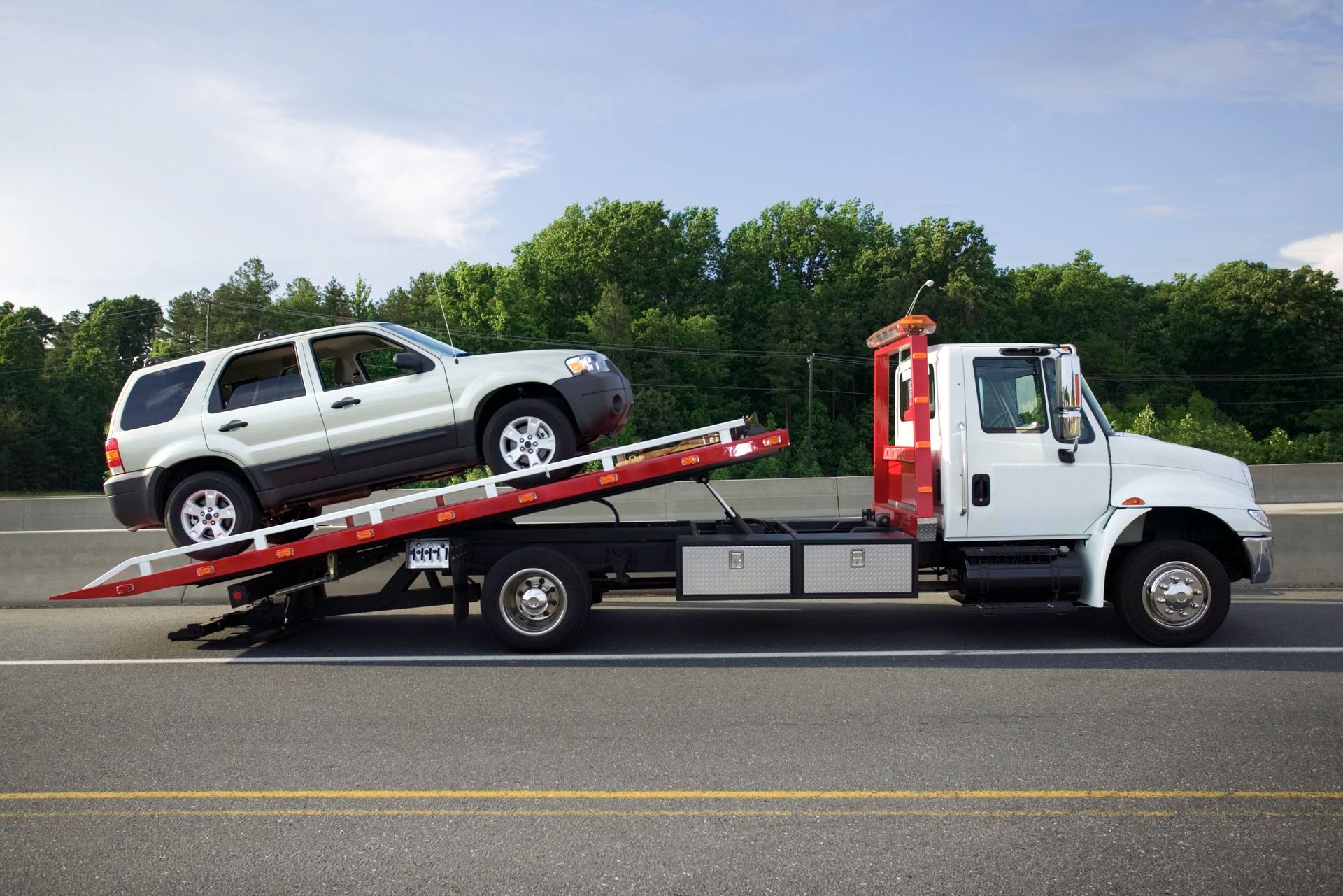
Breakdowns can occur during daily commutes, long-distance travel, or even in hazardous conditions. Beyond the immediate inconvenience, they can also create safety risks, especially if the vehicle loses power or control in traffic. Additionally, emergency repairs often come with higher costs due to urgency and potential towing requirements.
Routine auto inspections significantly reduce the likelihood of these scenarios by identifying vulnerabilities before they lead to failure. By maintaining a consistent service schedule, drivers can enjoy greater peace of mind and avoid the unpredictability associated with neglected maintenance.
2. Compromised Safety on the Road
Reduced Braking and Handling Performance
Safety is one of the most critical reasons to maintain a regular inspection schedule. A vehicle's ability to stop, steer, and respond effectively depends on the condition of its key components. When auto inspections are skipped, these systems may degrade without the driver's awareness.
Braking systems, for example, require consistent monitoring to ensure optimal performance. Worn brake pads, low brake fluid, or damaged components can reduce stopping power and increase stopping distances. In emergencies, even a slight delay in braking response can have serious consequences.
Handling is also affected by the condition of the suspension and steering systems. Components such as ball joints, control arms, and tie rods play a vital role in maintaining stability. When these parts wear out, drivers may experience difficulty steering, uneven tire wear, or a noticeable decline in vehicle control.
Visibility and Lighting Concerns
Another often overlooked aspect of vehicle safety is visibility. Functional lighting systems are essential for both seeing and being seen on the road. Headlights, brake lights, and turn signals all contribute to safe driving, particularly in low-light or adverse weather conditions.
Without routine auto inspections, issues such as dim headlights, burned-out bulbs, or misaligned beams may go unnoticed. Reduced visibility can make it more difficult to detect obstacles, pedestrians, or other vehicles, increasing the risk of accidents.
In addition to lighting, windshield wipers and fluid systems also play a role in maintaining clear visibility. Worn wiper blades or low washer fluid levels can impair a driver's ability to see during rain or debris exposure. Regular inspections ensure that these components are functioning as intended, supporting safe operation in a variety of conditions.
Tire Integrity and Road Contact
Tires are the only point of contact between a vehicle and the road, making their condition critical to overall safety. Tire pressure, tread depth, and alignment all influence traction, handling, and braking performance.
When inspections are neglected, tire issues may develop unnoticed. Underinflated or overinflated tires can affect fuel efficiency and increase the risk of blowouts. Uneven tread wear may indicate alignment or suspension problems, which can compromise stability.
Routine evaluations include thorough tire checks, ensuring that they meet safety standards and perform reliably. Addressing tire-related concerns early not only enhances safety but also extends the lifespan of the tires themselves.
3. Higher Long-Term Ownership Costs
Increased Repair Expenses Over Time
Skipping regular maintenance may seem like a way to save money in the short term, but it often leads to higher expenses over time. Small issues that could have been addressed quickly and affordably can evolve into major repairs when left unattended.
For example, neglecting routine oil changes can result in sludge buildup within the engine. This reduces lubrication and increases friction, potentially leading to severe engine damage. Repairing or replacing an engine is significantly more expensive than maintaining proper oil levels and quality.
Similarly, ignoring early signs of transmission issues can lead to complete system failure. Transmission repairs are among the most costly automotive services, and many of these problems are preventable through consistent monitoring and maintenance.
Reduced Fuel Efficiency
Vehicle fuel efficiency is another area that can be negatively impacted by neglected maintenance. A vehicle that is not operating at peak efficiency requires more energy to perform the same tasks, leading to increased fuel consumption.
Issues such as clogged air filters, improper tire pressure, and worn spark plugs can all contribute to reduced efficiency. Without routine inspections, these problems may persist, causing drivers to spend more on fuel over time.
Maintaining optimal performance through regular evaluations helps ensure that the vehicle uses fuel as efficiently as possible. This not only saves money but also reduces the environmental impact associated with excessive fuel consumption.
Lower Resale Value and Marketability
For many vehicle owners, resale value is an important consideration. A well-maintained vehicle with a documented service history is far more attractive to potential buyers than one with inconsistent maintenance records.
Neglecting auto inspections can result in visible wear, unresolved mechanical issues, and a lack of documentation, all of which can reduce a vehicle's market value. Buyers are often wary of vehicles that have not been regularly serviced, as they may anticipate hidden problems or future repairs.
In addition, certain transactions may require proof of inspection or compliance with safety standards. Failing to meet these requirements can delay or complicate the sale process, potentially leading to additional costs or reduced offers.
Regular maintenance is an essential aspect of responsible vehicle ownership, and inspections play a central role in that process. By identifying issues early, preserving system integrity, and ensuring safe operation, routine evaluations provide significant long-term benefits. Drivers who prioritize consistent service are better equipped to avoid unexpected failures, maintain performance, and control ownership costs. To keep your vehicle in top shape with professional auto inspections, reach out to Bussard's Auto Repair & Towing!


Share On: