
When You Should Schedule Auto Repairs Before It’s Too Late
Taking care of your vehicle is crucial to ensure longevity, safety, and efficiency. Unfortunately, many car owners delay necessary repairs, leading to more significant problems down the road. This article will highlight critical moments when scheduling auto repairs can save you time, money, and hassle, ensuring your car remains in peak condition.
When Your Check Engine Light Turns On
Understanding the Check Engine Light
The check engine light is one of the most common and crucial indicators on your dashboard. Its illumination can denote a variety of issues ranging from a loose gas cap to serious problems like a malfunctioning catalytic converter. It is an integral part of the on-board diagnostics system and should never be ignored. The reasons behind a lit check engine light are diverse, and understanding them can help in preventing serious damage. It’s the car's way of telling you that something needs addressing, and swift action is always recommended.
Potential Issues Ignored
Ignoring the check engine light can have severe consequences. A lit check engine light means there’s an error code stored, and not addressing it can result in a cascading effect, where multiple parts may be affected. There are potential legal implications in some areas where emissions-related warnings are ignored. Moreover, driving with unresolved issues may leave you stranded or lead to accidents. Therefore, recognizing and acting on this warning immediately can keep you safe and prevent expensive repairs.
Diagnostic Testing Importance
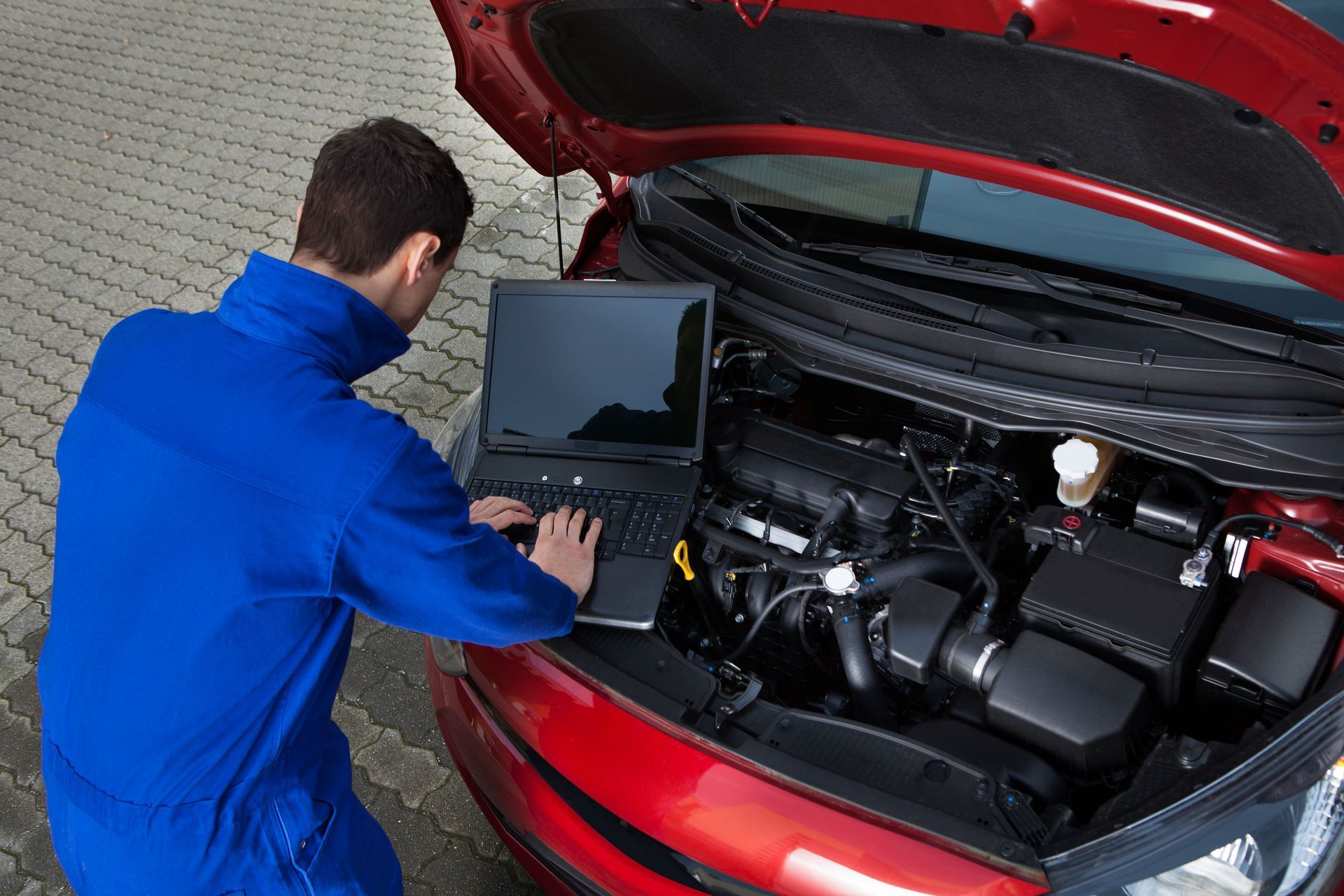
Diagnostic testing plays a critical role in identifying the precise problem behind the check engine light. These tests read the error codes that triggered the light, allowing mechanics to address the root cause efficiently. Without this insight, you may end up fixing the wrong thing, which could result in unnecessary expenses. Additionally, the average cost for a diagnostic test is generally less than potential repair costs if the problem worsens. Investing in a diagnostic test can save you from bigger headaches in the future.
Preventing Further Damage
Addressing the check engine light promptly prevents further damage that could result from unchecked issues. Small problems, if not attended to, may escalate to severe malfunctions requiring extensive repairs. This proactive approach can be the difference between a minor adjustment and a full-on repair job costing several hundreds of dollars. Timely intervention ensures the operability of other interconnected systems. In essence, by fixing current problems, you safeguard against future ones.
Long-Term Costs vs. Immediate Repairs
There’s always a cost consideration between addressing issues immediately and deferring them. According to ConsumerAffairs, the cost of an average auto repair depends on the type of service, with basic services ranging from $95 to $237 and major services from $296 to $474. While the initial cost to diagnose and fix might seem high, it often pales in comparison to the compounded costs of neglect. For instance, fixing a minor engine issue promptly can prevent additional wear that could result in a complete system overhaul. By acting swiftly, you often save significantly more in the long run.
Strange Noises Emanating from Your Vehicle
Common Automotive Sounds
Odd noises from your vehicle can be tell-tale signs of underlying issues. Common sounds like squealing brakes, clunking in the engine, or grinding gears warrant immediate attention. Each noise type typically corresponds to specific issues that, when ignored, might lead to costlier problems. Understanding these sounds can greatly aid in anticipating necessary repairs. Recognizing and addressing them early ensures your vehicle operates smoothly, enhancing safety.
Deciphering Sound Patterns
Deciphering various sound patterns is essential in determining which noises are harmless and which require attention. For instance, a high-pitched squeal when braking often indicates worn-out brake pads needing replacement. Meanwhile, a persistent rattle might suggest loose or damaged components that need tightening or replacement. By distinguishing these sounds, drivers can prioritize issues that need immediate repair. This informed approach allows you to manage your vehicle's health proactively, avoiding unnecessary panic.
The Risk of Ignoring Noises
Ignoring unusual vehicle noises can be risky and result in more severe damages. A simple whirring or buzzing, if left unaddressed, might culminate in complete component failure. Such neglect can make minor, inexpensive repairs balloon into major service expenses. Therefore, staying vigilant about your vehicle's auditory cues ensures early intervention. Grappling with issues early helps prevent your vehicle from reaching a state where repairs become exorbitantly expensive.
Troubleshooting Techniques
Effective troubleshooting techniques involve listening closely and paying attention to when and where a sound occurs. It is crucial to note the vehicle's activity—whether accelerating, braking, or idling—when the noise arises. Armed with this information, you can convey accurate descriptions to your mechanic, aiding in a faster diagnosis. For instance, specifying a grinding noise during gear shifts can direct the mechanic to the transmission. These detailed observations ensure a more efficient and budget-friendly repair process.
Real-World Examples
Real-world examples showcase how quick response to strange sounds can save costly repairs. Consider a driver who noticed a squeal during tight turns; the timely replacement of a worn belt prevented a potential breakdown. Another case highlights a buzzing sound that, though initially ignored, ultimately revealed a loose engine part costing three times more than the initial fix. These scenarios emphasize the value of immediate action to prevent financial strain. Learning from these stories encourages prompt repairs and boosts overall vehicle longevity.
Poor Fuel Efficiency
Causes of Declining Fuel Efficiency
Declining fuel efficiency can result from numerous factors, including faulty oxygen sensors, dirty air filters, and tire inflation issues. Each of these components plays a role in your vehicle’s optimal performance and fuel consumption rate. Dirty or clogged filters restrict airflow, leading to an overworked engine and increased fuel use. Similarly, poorly inflated tires increase rolling resistance, prompting the engine to exert more effort. Understanding these causes can help identify areas for improvement, restoring your vehicle's fuel economy.
Impact on the Environment
Poor fuel efficiency not only elevates costs but also impacts the environment. Vehicles burning more fuel release higher volumes of carbon emissions, contributing more to pollution and greenhouse gases. These emissions have dire effects on air quality and climate, exacerbating global warming. Ensuring a vehicle operates efficiently helps reduce its environmental footprint. Thus, maintaining fuel efficiency is a contribution towards a more sustainable environment.
Calculating Efficiency Loss
Calculating efficiency loss involves tracking fuel usage over specific distances and noting deviations from expected performance. Comparing miles per gallon over time highlights declining efficiency. Using fuel-tracking applications or manually logging tank refills can aid in maintaining accurate records. Such tracking highlights anomalies, enabling timely repairs and adjustments. By understanding efficiency patterns, you can maintain operational standards and avoid unexpected costs.
Repair Strategies
Efficient repair strategies focus on identifying and rectifying fuel efficiency detractors. Addressing sensor malfunctions, keeping filters clean, and maintaining proper tire pressure can revitalize consumption rates. Regular engine tune-ups and oil changes ensure that all components work synergistically for optimal efficiency. Equally, ensuring high-quality fuel usage minimizes deposits and clogging that reduce engine performance. Such proactive strategies result in a noticeable difference in fuel economy.
Comparing Repair and Fuel Costs
Comparing repair and fuel costs reveals the benefits of addressing efficiency issues head-on. While repairs have upfront costs—basic services range from $95 to $237—it might be cheaper overall than spending extra on fuel over time. Small improvements can alleviate financial pressure associated with fueling inefficiencies. Opting for repairs offers savings and ensures a clean, affordable ride. Enhanced fuel efficiency also prolongs engine life, reinforcing long-term benefits.
Shaky or Vibrating Steering Wheel
Alignment and Balancing Issues
Vibrations in the steering wheel often root from alignment or wheel balancing problems. Misaligned wheels put undue strain on the steering system, compromising handling and tire wear. Balancing issues create uneven tire contact with the road, causing a shaking sensation. These issues reduce driving comfort and efficiency, necessitating prompt correction. Without proper alignment, vehicles become harder to control and pose significant safety risks.
Regular vehicle maintenance and prompt attention to necessary repairs can prevent larger issues and extend the life of your car. By being proactive and recognizing early warning signs, you can save on extensive repairs, improve safety, and maintain your vehicle’s performance. Embrace the habit of regular check-ups and you’ll enjoy a smoother ride and peace of mind on the road. Be sure to reach out to Bussard's Auto Repair & Towing today for more information on our professional auto repair companies!




Share On: