
7 Ways Professional Towing Services Keep Your Vehicle Safe During Transport
When your car stops running on the shoulder, in a parking lot, or in your own driveway, the next few steps matter more than most drivers realize. A hurried hookup or the wrong truck can lead to scraped bumpers, bent suspension components, cracked windshields, or new mechanical issues that were not there before. That is why many drivers rely on towing services that follow proven loading practices, use purpose-built equipment, and take the time to secure the vehicle correctly before a single mile is driven.
1. Dispatching the Right Equipment
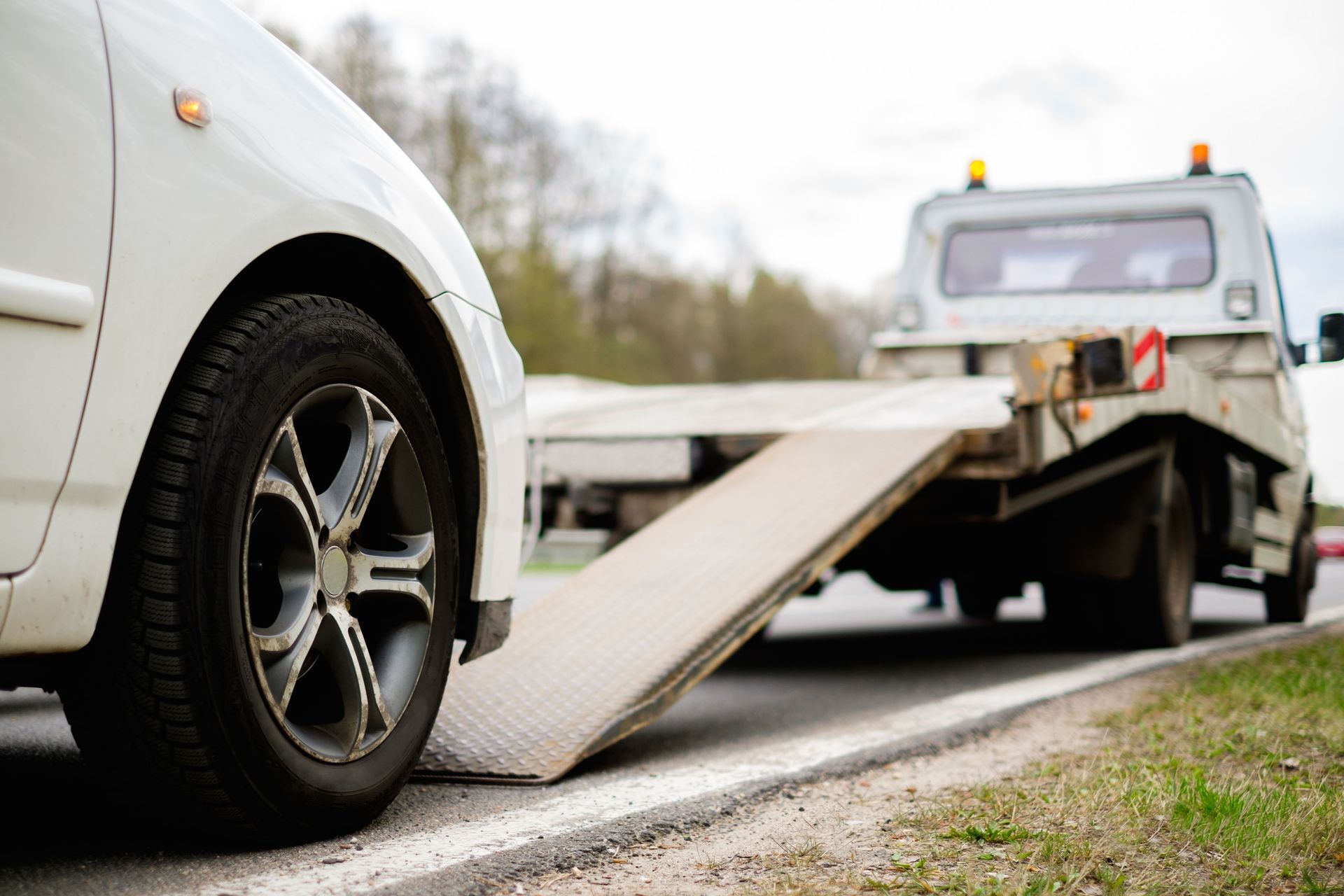
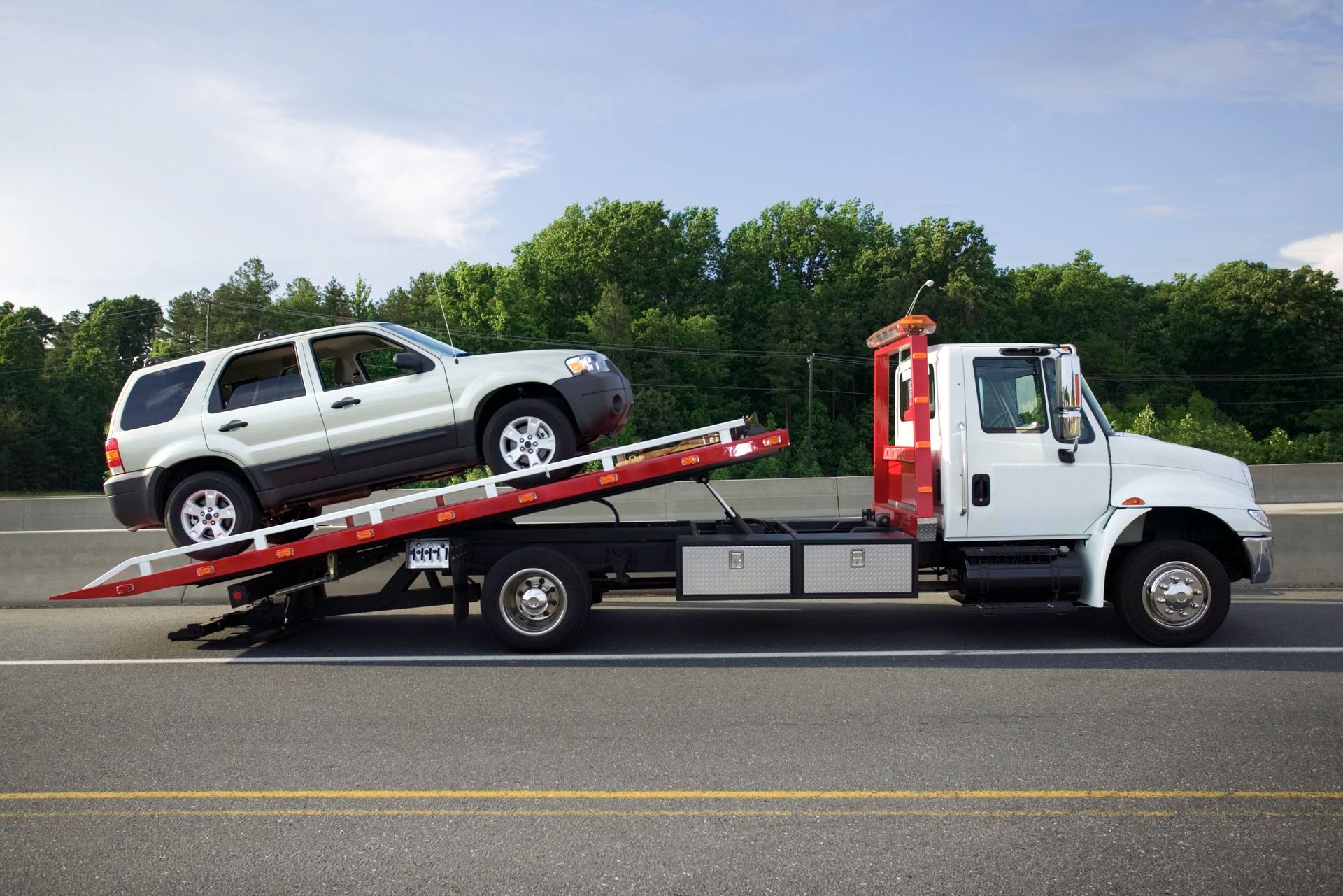
Vehicle safety starts before the truck arrives. Professional operators match the truck type and loading method to the situation because the safest approach depends on the vehicle’s drivetrain, clearance, weight, and condition. For many passenger vehicles, a flatbed is the preferred option because the car rides fully off the ground. For some scenarios, a wheel-lift with dollies may be appropriate, especially when a vehicle is in a tight spot or has limited access. Motorcycles, classic cars, lifted trucks, and low-clearance sedans all require different strategies, and a professional dispatcher gathers details to reduce guesswork.
Choosing the right equipment also reduces the chance of secondary damage during loading. A flatbed with a proper approach angle can prevent bumper scrapes, while skates or dollies can protect tires and driveline components when a vehicle cannot roll. Operators also consider whether the vehicle has electronic parking brakes, broken steering components, or wheel lock issues that may require additional tools. When towing services arrive prepared with the correct truck and attachments, the vehicle is far less likely to suffer damage from an improvised setup.
2. Using Controlled Loading Techniques
Safe transport depends on safe loading, and controlled loading is a skill. Professional operators use winches, snatch blocks, and soft straps to guide the vehicle onto the bed or into position at a steady pace. Instead of jerking a car forward, they keep tension consistent, monitor alignment, and correct the angle as needed. This minimizes stress on steering components and reduces the risk of a sudden shift that could cause contact with the truck’s rails or bed edges.
Controlled loading also includes careful attention to ground conditions. Gravel, rain-slick pavement, mud, and uneven shoulders can make a vehicle slide or tilt during a pull. Professionals assess traction and may reposition the truck, use wheel chocks, or place traction aids before loading begins. They also account for obstacles like curbs, parking stops, or narrow driveways that can snag undercarriage panels. By taking a deliberate, methodical approach, towing services reduce the chance of scrapes, dents, and avoidable strain on a vehicle’s structure.
3. Securing the Vehicle at Multiple Points
Once the vehicle is positioned, proper securing is the main line of defense against movement. Professional operators use multiple tie-down points and follow weight-rating guidelines for straps and chains. Rather than relying on a single strap, they create a balanced hold that keeps the vehicle stable during braking, turning, and changes in road grade. This approach helps prevent side-to-side sway and reduces the risk of the vehicle shifting forward or backward on the bed.
Multi-point securement is also about choosing the right contact areas. Operators avoid fragile parts and focus on solid anchor points, such as designated tie-down hooks or secure frame locations, depending on the vehicle. They also protect paint and trim by using soft straps or sleeves where needed. After initial tightening, professionals recheck tension and alignment because straps can settle as the vehicle’s suspension compresses. Strong, balanced securement is one of the most important ways towing services keep a vehicle safe from the first mile to the last.
4. Protecting Tires, Suspension, and Drivetrain
Different vehicles have different vulnerabilities, and drivetrain protection is a common concern. Front-wheel drive, rear-wheel drive, all-wheel drive, and four-wheel drive systems do not all tolerate the same towing methods. Improper towing can lead to overheating, lubrication problems, or internal damage, especially if powered wheels are left rolling for long distances when they should not be. Professionals account for these differences and choose a method that supports the vehicle’s mechanical design.
Protection also extends to tires and suspension. Incorrect strap placement can compress suspension components in ways that cause rubbing, scuffing, or stress on bushings. Professionals distribute pressure across the right points, keep straps clear of sharp edges, and confirm that tires are positioned to avoid contact with bed hardware. If a vehicle has a damaged wheel, blown tire, or broken suspension part, the operator adjusts the plan using dollies or full-lift methods to prevent dragging. This careful mechanical consideration is another reason towing services can be safer than a quick, improvised tow.
5. Preventing Body and Undercarriage Damage
Paint, body panels, bumpers, and undercarriage components can be surprisingly easy to damage during loading and unloading. Professional operators take steps to protect low-clearance areas, especially on sports cars, luxury vehicles, and vehicles with aftermarket body kits. They may use extended ramps, ramp blocks, or specialized beds with a lower approach angle to reduce contact points. Even small changes in angle can make the difference between a clean load and an expensive scrape.
Operators also pay attention to mirrors, spoilers, and front fascia pieces that can catch wind or flex during transit. They confirm that doors, trunks, and hoods are latched and that loose panels will not lift. If a vehicle has prior collision damage, they account for weak mounting points and avoid pressure that could worsen the issue. According to Look up a Plate, there are 69 million vehicle breakdowns every year in the U.S. With breakdowns that common, protecting the vehicle during transport is not a niche need. It is a practical safeguard that matters to everyday drivers.
6. Monitoring Load Stability Throughout the Trip
Safe transport does not end when the truck pulls away. Professional operators monitor how a vehicle rides and make adjustments when conditions call for it. They listen for unusual noises, watch for strap settling, and keep an eye on bed movement during stops or turns. If road conditions change, such as heavy rain, high winds, or sudden temperature drops, they adapt driving behavior to keep the load stable.
Route choice is part of stability, too. Experienced operators often avoid pothole-heavy roads, steep speed bumps, and tight turns when possible. They maintain smoother acceleration and braking to reduce load shift, and they keep extra following distance to prevent emergency stops. When towing services treat the trip as an active process instead of a simple drive from point A to point B, the vehicle experiences fewer jolts, fewer risks, and fewer opportunities for movement that could lead to damage.
7. Completing a Careful Unloading Process
Unloading is the final step, and it requires the same care as loading. A rushed unload can undo earlier precautions. Professional operators position the truck carefully, check for traffic or obstacles, and control the vehicle as it comes off the bed to prevent bumper contact, undercarriage scrapes, or sudden movement.
They also consider the vehicle’s condition at drop-off. If brakes or steering are compromised, they use controlled methods and may reposition the vehicle to a safer spot for repairs or storage, and they keep the owner informed about what was done and why. A careful unload is the last layer of protection, and it is an important part of a safe transport process, whether the vehicle is headed to a repair shop, home, or a secure lot.
When your vehicle is already dealing with a breakdown or accident, the goal is to avoid new problems. From proper equipment selection to secure transport, professional towing services help protect your vehicle every step of the way. Contact Bussard's Auto Repair & Towing to schedule a service and have your vehicle moved safely.
Share On: